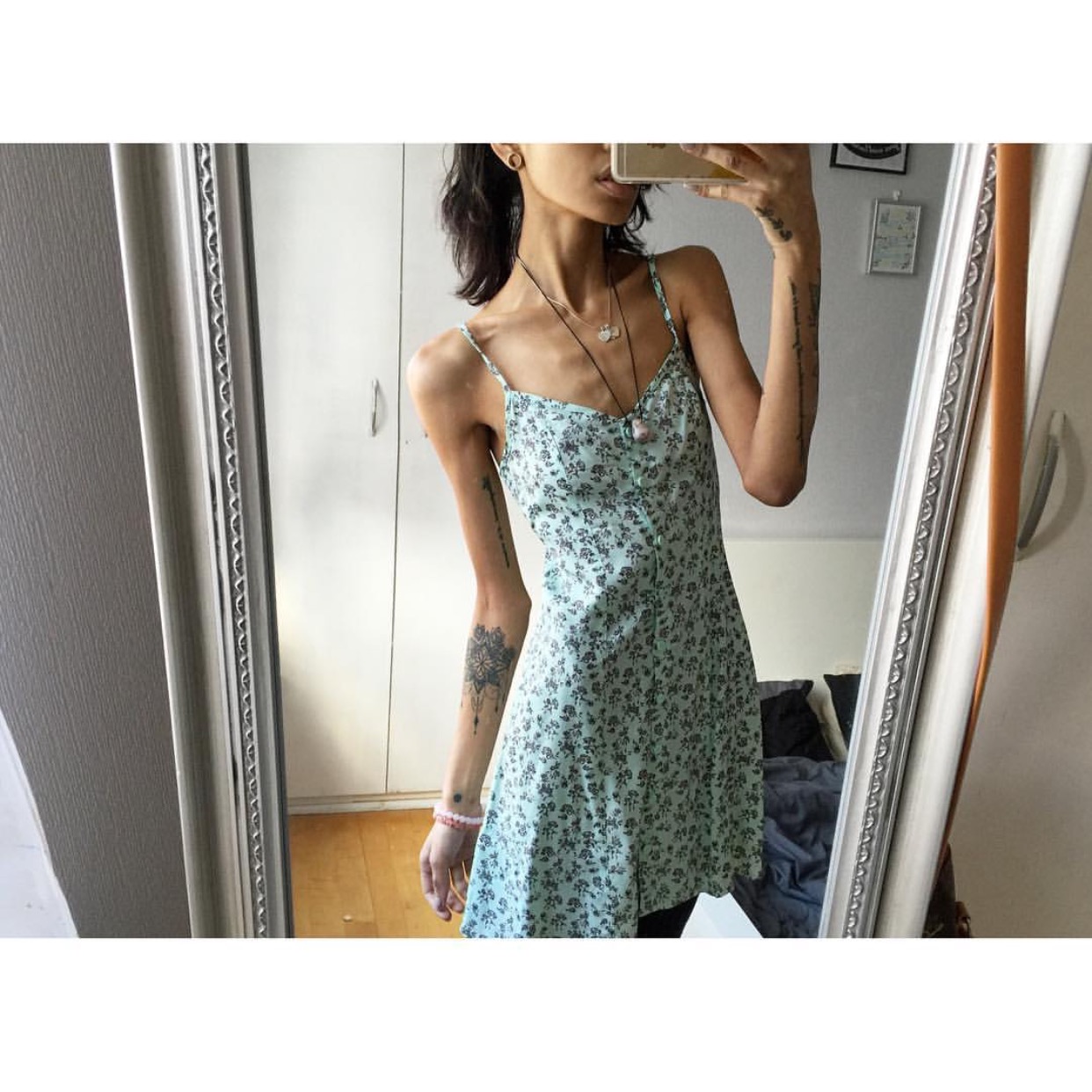
Showing posts with label mental illness. Show all posts

26.4.16

A LINE HAS BEEN CROSSED

A situation arose late last week that I need to address.
Someone anonymously reported me to social services using my social media as the basis for their concern.
The allegations against me were problematic in that my social media within itself dispels all of them and therefore the basis for the concern. Not to mention the fact that to assume that I share everything online would be ignorant.
Before I address anything else I'll be clear in that social services take every report they get seriously and they have investigated me. And of course, they found nothing to worry about. I have since spoken to the schools of both children (due to concerns I'll talk about further down) and both gave me glowing reports of my children and their progress and both were shocked that it was my children being looked into.

The allegations were two pronged, first that I suffer from chronic mental health problems that I am not seeking help for nor getting any support and that are having an overwhelming and debilitating effect on my life, which they believe puts my children at risk. Second that I use my social media to post pro eating disorder content and deliberately target vulnerable people and put them at risk.


It is incredibly difficult to believe this person contacted social services for a reason born of true concern. I believe that this was malicious. When making their report against me so much information that is readily available was left out. I talk so candidly about my life that I have discussed the community mental health team, my GP, the progress I've made including my weight gain and my relationship with Harrison and my mother. I post photos of the latter and have done so very recently. It is absolutely not difficult to find information that disproves these allegations and that was the exact information that was failed to be reported. Had it been reported then the picture painted of my and my abilities as a parent would be very different. I believe that it was a deliberate lie, either information was intentionally left out or this person had not viewed my social media to the extent that they claimed to have done, and would therefore not have been able to pass such a judgement.
On Thursday when I received the call I thought it was a joke, when I told my friends and family about it they thought it was a joke. Most of them follow all my social media, including my mother who would read me to absolute filth if she felt that I was endangering anyone with my content. Having watched me systematically destroy my life during my breakdown she is now the first to confront me at the first sign of anything that has the potential to escalate. I called her after I spoke to the social worker, hers is the opinion I value above all else when it comes to this, and while I had absolute confidence in both my abilities as a parent and that my content online is safe and balanced, I couldn't be absolutely sure until I spoke to her.
Everyone I've spoken to about this has been confused, some have been angry and others hurt. But all have been confused. Because it is absolutely clear that Dylan and Isla are happy and healthy and for someone who doesn't know them, someone who has never met them and doesn't even know their names to tell social services otherwise is ludicrous.

From the moment I learned of these allegations I had had no concerns about what they would find. I know the kids are surrounded by more love than they could comprehend, that they are happy, healthy and full of life. I know that while my mental health could pose as a problem (and I have been confronted with this before) I have a wealth of support and I am confident that I parent in a way that keeps them both safe and aware that the way I look and eat isn't normal and that it will change. That I am working on changing it. I know that despite my struggle accessing professional support it is not through lack of trying and that I last saw my psychiatrist last week. I know that if he had a concern about my mental health being a danger to Dylan and Isla he would have had to contact social services, and of course he didn't. I know that while seeing an emaciated body can be shocking and upsetting I am candid about my struggles and also my triumphs. I take care when taking and posting photos onto my mental health specific Instagram and when writing the accompanying captions. I make sure the language I use and the information I post about my anorexia and where I'm at is balanced and as safe as possible so I can avoid triggering people. And above all I am clear in saying that that account shows one side of my life. And that I use it to vent, document and as an extension of my advocacy. I signpost people here and to my other Instagram to see how my life is day to day. Because while I suffer from a number of mental health problems and they of course have an affect on my day to day life they are absolutely not in the forefront. I know that I am not proana.

So now it has all be confirmed that social services are not concerned and will not investigate any further. I will admit, I am relieved. While I never had any concerns about my children and their safety I was absolutely concerned about the potential affect these allegations could have on my advocacy work and on my future counselling training and work with young people. Schools and services working with vulnerable young people don't really invite people being investigated by social services onto their premises to work with the people they are in charge of. This is what I do and this person and their allegations could have potentially endangered that. For someone who claims to be concerned about vulnerable people their actions could have left vulnerable people without support. And for someone claiming to be concerned about my stability they put that in jeopardy. You know, while I had full and absolute confidence in the fact that social services wouldn't be concerned, I suffer from anxiety and the stability I fought to gain and maintain means that I am not medicated (something else I've spoken about several times), regardless of my confidence this was incredibly triggering especially given that I am working through past trauma pertaining to a bad experience with social services (something else I've spoken about recently on Instagram). I am incredibly lucky that I have both the stability, insight and most importantly support that I do or else this had the potential to undo a lot of the progress that I have made recently.

The only concern I have that remains is down to the fact that a person would do this. Concern or not the claims they made in order to give their report weight were false. And if I am right and it was done out of malice then it is incredibly scary that someone would come after me and use my children to do so. Above all else their happiness and safety are my concern which is why I have had meetings with both of their schools. I never imagined that their happiness or safety would ever be something I had to be concerned about because I post online, and yet apparently I was wrong.
I have considered closing my social media accounts and I wouldn't be surprised if some people think I should, to protect my children if I am concerned about their wellbeing. However I teach my children to stand up to bullies. I want to practice what I preach. And in all honesty, I don't want to. These accounts are incredibly important to me. I use them to document my journey in an open and honest way which in many ways keeps me self away and accountable, things I need to maintain my stability and wellbeing. I use them for support and to give support and I cannot tell you how much it means to me when I receive messages reaching out to tell me I've helped them in a positive way. Next to keeping my children, the thing that brings me the most fulfilment is knowing I can help people. My social media has given me platform to reach out and I've had amazing opportunities as a result, my advocacy work being the most important of all of them. That is the thing that made me realise that I wanted to be a counsellor. I wouldn't have half the fulfilment, hope or happiness that I do had I not started speaking on social media.
So I'm going nowhere.
But over the next few weeks I will be making a few small changes to my social media and I'll be working closely with both children's schools and keeping them aware of any new developments if there should be any. And I hope there aren't.

I am feeling a big jumble of emotions about this and they'll probably take me a while to work through. I'm both embarrassed and devastated that it happened and that my children were dragged into it. But it has, and I can't change that. All I can hope is that some good can come from it and some lessons can be learned.

I hope that this can be a reassurance to other parents struggling with mental health problems. Mental illness does not make you a bad parent and social services will not take your children because you're I'll even if you're open about it. If you're looking after yourself as best you can, accessing services, reaching out for support from friends and family and being honest with your GP, keeping yourself safe then your children will be safe. You don't have to be scared of repercussions if you reach out. Keeping yourself safe and happy is the best way to keep your children safe and happy.

I hope that this will be a reassurance to those who are truly concerned about my family. We are all doing ok. Sometimes things are tough but we're loved and supported by an amazing group of people and the progress I'm making is making a big difference. I have a long way to go in terms of my weight but I am stable and doing well.

I hope that this can be a lesson for people who think that because a person posts about their life online that they have been absolutely transparent about everything. I hope people realise that I do keep some things private and I am absolutely entitled to do that. Sometimes I keep things private because they involve other people who's life I do not have the right to post so candidly about without their permission. Sometimes I keep things private because it is still something that I need to work though in a safe environment. And sometimes I keep things private to keep my children and their friends safe. Sometimes I just don't say things because who has the time to share their whole life online? I wouldn't have time to actually live.

Above all I hope this is a lesson for the people who think that they can have any right to intrude in my life like this. I am open and honest and I think that is a positive thing. I post about my life across various platforms but that does not give you the right to cross over into my real life unless you ask or are invited.
This was absolutely crossing a serious line and that is not ok.
And if you still insist on being so intrusive there are ways to intrude on my life that do not involve my friends, family and most importantly children.
Someone who doesn't have the privilege to know Dylan and Isla has no right in even attempting to intrude into their lives. Absolutely none.
It is not ok.
And I hope that if this has taught anyone anything it has taught the person who did this that they were out of line.


19.4.16

WHY EATING DISORDER RECOVERY IS RUBBISH

There's this movement online, especially on Instagram. #REALRECOVERY and its full of hyper positive people, mostly girls and young women who are so utterly psyched about how absolutely wonderful and #posi recovery is that they will literally scream at you through their use of capitals, hashtags and emojis mixed in among the normal text.
Now, maybe I'm wrong (probably. But also probably not) but these people are not experiencing a real recovery. And if they are the certainly aren't documenting it online. Because I can promise you, an eating disorder sufferer faced with an entire pizza and then dessert at their kitchen table will not be utterly thrilled. I would probably cry.
And I don't understand this need to make recovery seem fun or positive or easy. It's not. It's really, really not and I don't understand this false image being projected. I understand the #recoverywin's because eating the above pizza and ice cream without throwing it back up despite the fact that it took you two hours and you cried and possibly screamed a bit is a genuine win.


But I'm sorry, recovery is crap.
It sucks. It's miserable and painful and in many instances you spend a decent about of time sinking deeper into the psychological side of your eating disorder while your body is busy healing.
Recovery isn't a fun positive journey in the slightest and I think it's irresponsible that it's being projected as one because it just makes people (me) feel like a failure because as rubbish as recovery is it's no way near as rubbish as the absolute hell of an eating disorder. So the fact that you can't get better just fuels the disorder you're trying to recover from because there's nothing like the sense of guilt that comes from feeling like a failure to become a reason to self punish.

When you're in recovery you suddenly get to eat. Hoorah. Except you've forgotten how to eat normally so eating becomes your own type of personal hell, being terrified of over eating and having no sense of perspective on portion size anyway so everything is too much. At least if you're going to keep it down. There's a good chance you'll have a few pretty horrific side effects to all that nourishing food too. Bloating being the most common. Bloating till your stomach is rock hard and distended so you could pass for eight months pregnant #realrecovery #posivibes I think not.

When you're in recovery your body uses the food you eat to heal your organs first, then muscles and bones etc. You're body rebuilds itself after you've relentlessly attempted to tear it into nothing. So you gain weight, a substantial amount, but the least important (hair aside, maybe) thing to heal is your brain. Your thoughts and emotions. So on piles the weight and the eating disorder is still there. When people say it's devastating to hear they look better, this is why. In their head they're still functioning at the same level they were -20lbs or more. Gaining weight is excruciating no matter how well you  rationalise it. And the more you gain the more you're screaming inside your head and the more you want to lose. But you're in recovery, and you know it's inevitable that you're just going to gain some more.
This tends to be the most common time for relapse, it's also the longest period of recovery. There's no telling how long it will take for the healing power of food to have a positive effect on your brain. I can tell you since my initial relapse at fifteen I've been in and out of relapses and only ever reached the glimmer of feeling ok or comfortable. It can take a long time.


Sometimes when you're in recovery you'll be put on a diet that follows the Minnie Maud approach. Part of my wants to roll my eyes so hard they'd roll down the hill into the river but the other part of me is angry because of how damaging I feel that approach is. How little it teaches portion control before discharge. Now there are absolutely other ways than eating 3000+ calories a day. And how utterly miserable it made me at first to be shovelling that volume of food down my throat. How unwell it made me to have that amount of food in my body. And how after discharge I genuinely couldn't stop eating that amount of food because no one taught me sodding portion control and within a few months I was using the tips I'd learnt in treatment to purge. Wow. Such a #superposi #realrecovery

Except these things. They are the reality of recovery. The guilt and misery and down right physical pain. Recovery is miserable.
But it's essential.

For me positivity isn't worth a single thing during recovery. Part of me is a pessimist with a been there done that attitude because this is the umpteenth time I've been round this crappy roundabout.
But honestly what pushes me is the reality of my situation as it stands.

Recovery is shit. I hate it. I end up angry and resenting everything because I don't want to do it and I turn into a petulant child faced with something they don't like.
But it makes me miserable, I stop enjoying food and obsess over the ins and outs and ups and downs. The scale is tantamount to the guillotine every morning and despite the fact that weight gain is my aim, if I do gain I can easily end up in tears. Again.
I get so bloated it's painful, I get sharp stabbing pains in my lower stomach like everything is stretched so tight I'm going to break.
I suddenly experience thoughts and feelings that I'm truly ashamed of, I feel like if I recover I'll be a failure of an anorexic. As if that is a bad thing. As if I want to be unwell or the best anorexic there is. Unable to recover.
I hate how I look, I hate my clothes fitting differently and my dysmohia that had been relative stable runs wild and I start completely imagining things on top of my inability to see a realistic image of myself.
I feel guilty every time I eat.
I feel guilty every time I inevitably slip up and have a lapse.
I hate myself with more intensity than I ever do in relapse because recovery is difficult and painful and directly challenges everything you feel you know about yourself. And even if you can see yourself without an eating disorder, you just start hating yourself for throwing everything away and falling into this horrific trap.

But some how the alternative is worse.
Eating disorders are painful. Throwing up until your insides burn and your skin is cracking really hurts.
Laxatives really hurt, I remember the first time I took the, I genuinely thought I might die.
Losing all your friends and family because you can't see them because socialising involves food or spontaneity or energy that you just don't have.
Feeding rules are painful. As are IV fluids getting pumped into you at triple speed making you puff up like the Michelin man and you arm sting until it finally goes dead.
Being unreliable at work and school and the constant fear that you'll lose your job and be unable to pay your rent.
The terror that you'll rub off on your younger siblings or your children and the crushing guilt because you can't recover for them and you love them to the ends of existence.
Taking your children to the beach and not being able to eat an ice cream with them, or any of the food you've laid out for their birthday party.
Having your kidneys shut down is pretty painful.
So are stomach ulcers.
And when your hair starts to fall out it can make you want to die. And while that's a massive over reaction, by this point you've lost your ability to be rational so the reaction is completely real and harsh.
Realising that your boyfriend is vaguely repulsed by your body sucks. Especially if you're neurotic and anxious and feel utterly worthless. Because if you don't understand why he's with you in the first place then realising how unattractive you are becomes hell every time you're not together.
And then I would assume death kind of sucks. And a death of an eating disorder is bound to be just as dramatic and painful as the disorder itself.

I'm writing and more of this is flowing out than I expected. So I'm going to stop that there because I've more than made my point.
Recovery is crap and horrible and sometimes kind of traumatic but it's essential. The alternative is endless suffering and guilt until you die. Hurting everyone you love in the process and then leaving them to pick up the pieces.
You don't tragically fade into nothing and then cease to exist like the romanticised idea pro-eating disorder people seem to promote. It's loud and angry and desperately sad. And everyone will be hurting alongside you although they won't feel the extreme amounts of physical pain.
So you have to recover because the only other option is death.
And in the irrational misery of an eating disorder death seems like a decent option, but dying of an eating disorder is just prolonging and extending the pain that is making you want to die in the first place.
So you decide to give recovery a shot. And it's just as hellish if not more so.

So I don't understand these people, these little communities of #realrecovery that isn't really real because they're all bloody grinning so hard their eyes might pop out at the thought of a bowl of macaroni cheese.
The only positive I find in recovery is that you probably won't die anymore. Oh and the occasional trip to Pizza Express with people I love washed down with a glass (or bottle) of wine. But I mean, I did that while I was in not recovery so I'm not sure how much that counts.


I just wish people were honest. I wish people weren't demonised for hating weight gain or having to eat. Because it's all part of an illness that they're still suffering from. Making me feel guilty for hating my body or being unable to be positive. Not being in some sort of warped #realrecovery just makes me feel even more rubbish. And I should be allowed to say that because whoever decided that recovery was a great, fulfilling experience probably hasn't ever had to recover from an eating disorder.

Or possibly a little drunk. Although even when I'm a bit drunk I still think it's shit.

I've realised recently that I actively avoid saying I'm in recovery even though I could never do anything other than strive for health and stability now my general mental health is more under control. Of course I'm in recovery.
But I hate saying it, and not because of the best anorexic thing I mentioned above. I hate it because I think it's shit. And hard. And definitely not #superposi.
In short, recovery is absolute pants because it makes my pants not fit and that makes me hate myself. But seeing as a coffin doesn't care whether my pants fit or not I have to keep fighting. 


And that is a #REALRECOVERY

29.3.16

MENTAL HEALTH AND PARENTING - MYTHS, TRUTHS AND THE BITS IN-BETWEEN


I found out I was pregnant with Dylan while under section on a psychiatric ward.
That is something that while not a secret not so many people know because it's something that there's so much stigma attached to that it even scares me. But I've said it now, and I only feel a little bit sick.
The story of how I ended up there isn't that relevant even though this post is very much about mental health. And that's the problem I guess. Mental health problems are all too often viewed as equal. A person who is successfully managing their illness is often labelled with the same stigma and mistrust as a person in crisis. And worse of all, that stigma exists and it affects how we see people, it creates prejudices and if it's not stood up against its dangerous. It puts people, mothers, fathers, children in danger.
So I was on a psych ward, honestly not as terrifying as we're all lead to believe but not the greatest place in the world. And suddenly the chaos that had surrounded my life stopped. In my eyes it had to, there was absolutely no other way.
And that's where the first myth hit me -

When you get pregnant you (have to)get better.
Now see thats all well and good, it's the aim of the game. But it's not realistic. But no one tells you that in fact quite the opposite. Everyone plays along with this bullshit fantasy that this baby is going to cure your mental illness. I suppose for people who love you that's fuelled by hope, because they so want you to get better. But everyone else? There must be several reasons but one prominent one I've encountered is the belief, the complete and utter belief that one cannot be mentally ill and a parent. That it's selfish to bring a child into the world before you're cured.
Now that game was a dangerous one to play for me, one that interfered with my treatment and wellbeing because admitting that I still struggled was such a terrifying prospect and I had far too much to lose. So I didn't tell anyone and was discharged from my intensive eating disorder treatment with so much still hanging over my head that I'm often not surprised that my recovery was anything but simple in years to come. But that, that myth, it silenced my voice and mine is the only voice that can tell the truth and ask for help. But the fear silenced it and I suffered as a result.

Soon after leaving the psychiatric ward I met a social worker, not for me, for my unborn child. Keep an open mind here because it's can be a little tricky. I wasn't well, I was almost certainly a danger to myself and I absolutely don't believe anyone should have blindly trusted me to just get better for the baby. However here's where the next two myths pop up -

Mentally ill people cannot make good parents.
Social services can take away your baby if you suffer from mental health problems.

Reading them they sound obscene but when you've lived with the stigma of mental illness nothing will surprise you about how people will view you or treat you.
The problem is mental health problems that are out of control can make people a danger to themselves and others, they can make people unreliable, unable to look after themselves and sometimes not even be aware of themselves, their minds, body's or where they are. Those things do not make for a good parent. But that is not a realistic picture of a person living with mental illness. Some of that may crop up in their lives but for the most part a person living with mental health problems lives a normal life, outwardly at least. And they certainly aren't dangerous of neglectful. But the stigma attached to mental health problems is carried into how we view people as potential parents. You know a social worker genuinely asked me if my anorexia would affect my desire to feed my child. "Would you restrict their food to keep them as thin as you desired?"
Now I know eating disorders are irrational but they don't make people monsters.


So I had a team of social workers for my unborn child and they dipped in and out (mostly in) of my life letting me know if they disapproved of any of my choices as a potential parent (ie most of them) and never made it clear (or said at all really) that they couldn't take my baby away because they disapproved. That they don't actually just swoop in and snatch babies anyway, that is an absolute last resort. That if they believed my baby was coming to harm then they would take action (that as it transpires is in the form of more support). I spent my entire pregnancy having it dictated by a social worker who didn't even understand my diagnosis. And baring in mind they also had the ability to pull strings with my treatment that's pretty scary. But scarier still is that I truly believed that if I stood up for myself or did something they disapproved of they would take my baby. It culminated when Dylan was six months old in an incident that was so traumatic that I decided that from then on I would fight tooth and nail for what was right for my family and screw what they thought.
And you know what happened? Nothing. Because it's not true. They can't just take your baby because your unwell or because you don't do as they say. It's not true.
But the fear, that is enough to make a mother do the unthinkable because someone else says so.

And these are fears attached to mental illness for many people, parents and otherwise, that reaching out for help, admitting you're struggling will have a catastrophically negative effect on your life and society lets us continue to believe it because of their fears and prejudices. The stigma, stereotypes and prejudices are so deeply ingrained that even those who are supposed to be part of a team of support can perpetuate those fears. And if you feel that someone who can potentially take away your child believes that mental illness makes an unfit parent.....
How do you reach out for help?
How can you be honest?


But that's the thing, and I don't claim to be mother of the year but I know I proved that I can be a good parent. That I can trust my instincts and that my mental health does not make me an unfit mother. I have quantifiable proof of this of course because we no longer have a social worker working with us. We parted ways the day before Dylan's first birthday.
Because here's the truth -

Mental health problems make parenting so much harder.
Parenting is hard. Really hard. And you don't get to sleep ever (4 years 10 months and counting) and parenting brings with it such obscene anxieties that you think you're going crazy. It's a 24/7 job that doesn't care if you've got the flu (man this sucks), a friends birthday to celebrate or that you haven't slept in almost five years. Now that is true for all parents, life I said, parenting is hard. But mental health problems can turn pregnancy and parenting into a nightmare that you have to navigate, and you do, because you love your child.
I'll give you some examples:
You might find that the medication that has kept your stable and (mostly) happy for the past five years isn't safe to take while pregnant or breastfeeding. Then what do you do? Some people and I'm among them forgo all medication, I was incredibly lucky and I've done it successfully, although it depends so much on the diagnosis and the person that sometimes it's just neither realistic or most importantly safe. But what do you do when the drugs that keep you safe will endanger your unborn child?
You might have a bad day, week, month etc an episode or a sinking fit of suicidal depression that sweeps over you and leaves you sobbing in bed every morning cursing that you didn't die in your sleep but feeling too guilty to ever leave your children.
For many mental health problems self care, proper sleep, time to shut off your brain, washing, eating enough etc are integral to stability but all of those things fly out the window when you're a parent even if you have a solid routine.
Mental health problems make life so much harder, parenting makes life so much harder although it's far more rewarding and enjoyable than mental illness. But fling them together and it's going to be tough.
But not impossible. And anyway, I've found that living with mental health problems has made me pretty resilient.

   
 Something I'm asked a lot is whether I'm scared I'll pass my mental health problems onto my children - as if they're contagious.
It's not true that a parent with mental health problems will raise a child with the same.
That is not to say it won't happen, but it's vaguely the same theory as a gay couple raising gay children, as if a child has no soul, personality or sense of self that isn't built by their parents.
However it's undeniable that it can be incredibly difficult and sometimes traumatic living with someone with mental health problems, even more so when you love them and depend on them. And that trauma can have a lasting effect that can in turn result in a range of mental health problems. It takes me back to the top though, for most people living with mental health problems most of the time they aren't dangerous, neglectful, unreliable or unable to look after themselves or their children. You can argue that the instability of most of the time can be just as damaging and I totally agree, but I'm still of the opinion that the image of instability we jump to isn't the one that I live and certainly not the one my children live.
I am also of the opinion that honesty, openness and awareness make a huge difference. Even now I talk to my children on a level they understand about my health. It may be what they see, especially now during my relapse - but they sure as hell don't think that it's normal or that I will stay like this for any period of time. Being honest with my children gives us all our best shot, and for my four year old it's just as important for him to understand that mummy isn't very well and these are the symptoms as it would be for him to understand if I had a broken leg.


 The reality is, or my reality at least, is that it's harder. Maybe/probably harder than if I didn't have mental health problems. Sometimes I long for the days before I had the children when if I was struggling and couldn't cope I could wallow in my sadness, or at least sleep. I long for the time I used to have to look after myself, so that I could know I was going to be stable because I'm healthy and well looked after rather than knowing I'm going to be stable because I won't give myself any other choice.
The reality is accidentally spending your daughters summer wardrobe budget on princess dresses and tutu's rather than sensible clothes just to make her happy.
The reality is being a parent has made treatment feel impossible. Even my psychiatrist is struggling because I really only have an hour a day (except Monday's) except every alternate week when I should be available for two full days. And whenever inpatient or even day patient treatment comes up the reality is I can't, who will look after the children? And who will pay the bills if Harrison is the one to look after them. And man, I'm not sure that I could cope with being away from my babies for potential months on end. And would that longing for them and the guilt of being away from them be detrimental to my treatment? Probably.
The reality is waking up in complete and utter panic the first night your baby sleeps through the night and rushing to their room and shoving your face in their face because they must be dead. They can't possibly still be asleep?!
The reality is that people will judge me before they know a thing about my life and as a mother I carry so much anxiety that those judgements can hurt and produce very real fears.
The reality is being stressed about birthdays and Christmas and Easter and wanting to know the calendar of every religion because your child comes home from school having learnt about a religious celebration you know nothing about and you can't answer their questions - this totally ruins the image you create of yourself as all an knowing but also super cool parent.


The reality is that I was extremely vulnerable because of the blanket of stigma and prejudices that was placed over me under the guise of keeping me warm and safe and that was dangerous for me. And even now I deal with the marks the trauma left and the gaps in my memories of Dylan's first year because it's too painful but I didn't know any better. I thought if I deviated from the plan they'd take him away.
The reality is waking up at seven am to get through our morning, breakfast, teeth, clothes, hair, bags, coats, shoes and out the door to get to school.
The reality is feeling endlessly guilty because I feel like my children deserve better than a mother who spent a year wanting to die. They deserve nothing less than perfect and as far as societal norms are concerned I'm anything but.
The reality is that Dylan has my hair and Harrison's feet and Isla has Harrison's hair and my feet and I'm really glad it happened that way around.


 The reality is worrying about fitting in with the other parents in the playground.
The reality is letting your kids stay up for a treat and then paying for it with a week of disrupted bedtimes and wanting to punch yourself in the face because you're really really tired but also knowing it was worth it for whatever you did that first night.
The reality is locking yourself in the bathroom and telling your four year old you're doing a massive poo just to hopefully get a bit of peace and quiet for five minutes. Although to be honest even this works less as time goes on.
The reality is sometimes finding yourself crying on the kitchen floor because everyone's unwell, no ones slept, the children are grumpy and fighting and you still have to cook and wash up and probably do some laundry because everyone (including you) is sweating through their clothes at lighting speed because they have a fever and you're overwhelmed.
The reality is accidentally drinking a bottle of wine in the garden on a summers evening when you only meant to have a small glass to relax (it turns out you don't quite realise how stressed you are till you try to relax)


Becoming a parent doesn't change everything, it's not a magical solution to all your problems or
 a cure for your mental health. Not everyone cope sand not everyone has the support they need and deserve. And sometimes when all these things come together there's a situation where a persons mental health problems do affect their ability to be a good parent.
But if you're in check of yourself. If you're honest with yourself and your support, be it your family, partner or doctor, if you look after yourself the best you can and will admit when you can't then your mental health has no reason to affect your ability to be a fantastic parent.


And you can reach out for help.There isn't anything to be afraid of, no one can take your child because you're struggling, no one has the right label you a bad or inept parent for suffering with mental health issues.
Being a parent is scary enough without having to be scared of asking for help if you need it.
Asking for help is brave.
And asking for help because you want to be the best parent you can be only proves it's all bullshit.

Parenting with mental health issues is just parenting. Sometimes there's just a little bit more to navigate.


20.3.16

INVISIBLE ILLNESSES - MENTAL HEALTH

Most illnesses at some point are invisible that's how so many people get so incredibly ill before they discover they're ill and are able to seek treatment.
By definition and invisible illnesses are chronic illnesses that significantly impair daily living. If you search online the lists will include auto immune diseases, such as lupus, arthritis and chronic fatigue syndrome. The lists are long, the symptoms varied but painful and exhausting. I know, I have arthritis myself and another auto immune disease that is currently yet to be given a name because it can't commit to a part of my body quite yet (or something).


But unless you're reading a mental health related blog or article you won't find any mental health conditions listed under invisible illnesses.
As someone with both a chronic physical disability and mental health problems I can tell you, mental health problems significantly impair daily life. And not just on an emotional or psychological level, physically too. The fatigue that washes over you when depression hits in overwhelming waves and refuses to lift for weeks and weeks. The pain and tightness of constant anxiety that makes it hard to breathe all day and that doesn't even come close to the intense and terrifying pain that you can experience with an anxiety attack. Mental illness toys with you so much that physical symptoms are just part of the package.

There's a strange heaviness that comes with mental health problems that is unrelated to the problems themselves. It's like a cloud that rains down emotions that soak your clothes and make it harder to navigate your path through life. Fear, anger, anxiety, resentment, raining down and holding you back just a tiny bit, but enough for you to be constantly aware of it.
I'm scared that people will judge, that because of stereotypes or their prejudices I'll miss out on opportunities. I'm training to be a counsellor, it doesn't take much for someone's preconceived ideas about my mental health problems to get in my way.
I'm scared of that.
I'm anxious that people won't understand. That when I'm overwhelmed and can barely drag myself out of bed to look after the children that people won't understand why I look like hell and can barely speak. Or when I'm impulsive and spend money I shouldn't or take on more than is realistic, that people won't understand and I'll be judged or penalised for it.
I'm angry, so bloody angry because it's invisible and I have to explain over and over again that sometimes my behaviour is a symptom of an illness that I have "but yeah sorry you can't see it or really understand it".
And I resent that I have to prove it. People question the validity of my illness because they can't see, hold or quantify it. And I have to say "well on a scale of one to suicidal I'm about 500 so....?" And hope that they understand or will at least accept it because lord knows on a bad day I don't have the energy to justify myself as much as I have to sometimes.


And then then even when things are good, when I've had a few good days or better yet a few good weeks, the heaviness is still there raining down its anxiety. When will I have another episode? How will I cope? How will it be? Will people understand? Will it get in the way? That in itself is pretty exhausting.
I have the same anxiety with my physical disability. And the same resentment. Wow the resentment with that is huge and accidentally slips into anger if I'm having a bad day pain wise and a bad day with being a little loopy and someone asks why I'm sitting in the priority seats on the bus.
But that's for another time.

But people will understand physical illness to an extent, even if they can't see it.
Mental illness though? That's another story. And so you walk through life carrying it around with you like an oversized bag no one can see and have to apologise each time your invisible bag hits someone as you pass them on this metaphorical journey. And all the while as much as you continue to empty it out this bag fills up and weighs you down and yet no one can see it. People judge you for lagging behind in the race but they can't see the extra weight you carry. I mean, it's in your head, skulls are pretty thick. They don't have much chance with that one.
And it's not unless you're privileged enough to get to the point where your mental illness displays such blatant physical symptoms that people notice. For me, that's my weight loss.


But when people notice and it's not invisible anymore the stigma and judgement that you've feared for so long while your illness has been hidden inside your head is suddenly something you have to face. Constantly. And that can be just as awful and overwhelming as you feared.
And so you go back to trying to hide your illness, after all that time, all the resentment you've felt from it being invisible you wish it could just be so again.
And that is why mental illnesses are unique.

With my physical disability I wish people could see and understand without me having to explain. Physical disabilities are widely accepted and acknowledged.
With my mental health (despite talking about it openly online) as much as I wish people understood, so many don't. And that makes me want to hide it away whenever it becomes visible.
And yet as soon as that happens, the resentment and difficulties of living with invisible illness return.